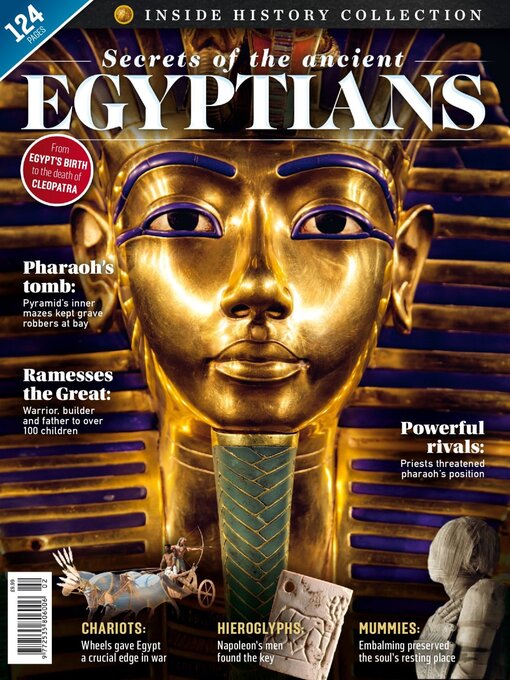
 Secrets of the ancient EGYPTIANS
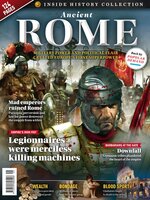 Ancient ROME
 Ice cold SERIAL KILLERS
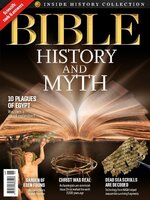 Bible - History and Myth
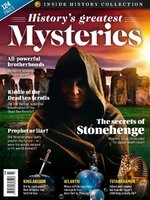 History’s greatest mysteries
 Knights Templar - Lost secrets revealed
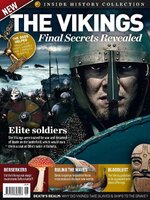 The vikings - Final Secrets Revealed
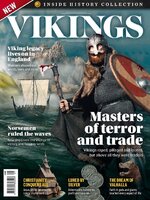 Vikings
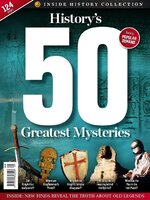 History’s 50 greatest mysteries
 Bloody revolutions
 Events that changed the world
In this series, you are taken back to the dramatic events, who have shaped world history for better or for worse. From the construction of the first cathedrals in Europe of the plague to the landing in Normandy in 1944. From the crusaders' bloody marches towards Jerusalem to the daring pilots who gave man air under his wings. Along the way, you will be enlightened in an entertaining way as to why the events took shape as they did. This series has the dramatic narrative as its focal point. You not only get an overview of history's most significant events, but also captivating human destinies, spectacular feats, and history's greatest heroes and villains brought to life.
SECRETS OF THE ANCIENT EGYPTIANS
THE NILE PROVIDED EVERYTHING 700,000-2950 BC • Egyptian civilisation would never have succeeded without the Nile, which still flows like an essential life force through the barren north-east African desert. The river’s rising waters flooded the Nile Valley every year, leaving mud so fertile that hunger was very rarely a problem for the Egyptians. From the Nile, they received food, shelter and – over time – their identity as a nation.
OBSESSED BY DEATH 3000-1100 BC • Death was not the end for ancient Egyptians but the start of a transition to the afterlife. On the west bank of the Nile, embalmers prepared the dead for their journey to the beyond. They carefully removed the corpse’s organs, removed its brain through the nose and stuffed the body with preserving salts. They then laid it out to dry before finally wrapping it in bandages. In their pursuit of immortality, the deceased needed their body to remain recognisable – it was crucial that their dead spirit could reunite with the body in the underworld to attain eternal life.
EGYPT’S MIGHTY PYRAMIDS 2680-664 BC • Few edifices are surrounded by as much mystery as Egypt’s pyramids. For five thousand years, the giant burial chambers have fascinated and amazed both academics and lay people. Who built them? Why do they look like that? And how did the ancient Egyptians transport the multi-tonne blocks from quarries and lift them into position, as the buildings grew higher and higher? There have been many answers, ranging from suggestions of divine intervention to technical descriptions of giant cranes. The latest theory proposes that the immortal monuments were built from the inside.
THE THREE KINGDOMS • The pharaohs ruled their mighty kingdom along the Nile for three millennia. During this time, ordinary Egyptians lived through both periods of upheaval and times of stability, when culture was able to flourish. Three eras stand out for their magnificent buildings and powerful kings, namely the Old, Middle and New Kingdoms. The periods in between were marked by civil war as well as attacks from belligerent neighbours.
LIFE IN THE NILE VALLEY 3000 BC-AD 200 • The fertile farmland along the Nile enabled the Egyptians to prosper and live relatively carefree lives. Many of the ordinary inhabitants of the Nile Valley enjoyed good and plentiful food, comfortable houses and fine clothes. Although working life was hard for many, and the days long, the Egyptians placed great emphasis on enjoying life to the full – with everything from naked dancing to games of tug of war.
SERVANTS OF THE GODS 2375-450 BC • As the sun rose over the Nile Valley, they sang songs to the gods, and clothed and painted the faces of the temple statues; the Egyptian priesthood worked hard every day to win the goodwill of the gods, and thus maintain the order of the universe. But they had many roles. Priests ran everything from tax collection and temple construction to medical care, dream interpretation and the punishment of criminals. At one point, their power grew so great that the pharaoh himself felt threatened and appointed high priests to oversee the servants of the gods.
MILITARY SUPER POWER...